
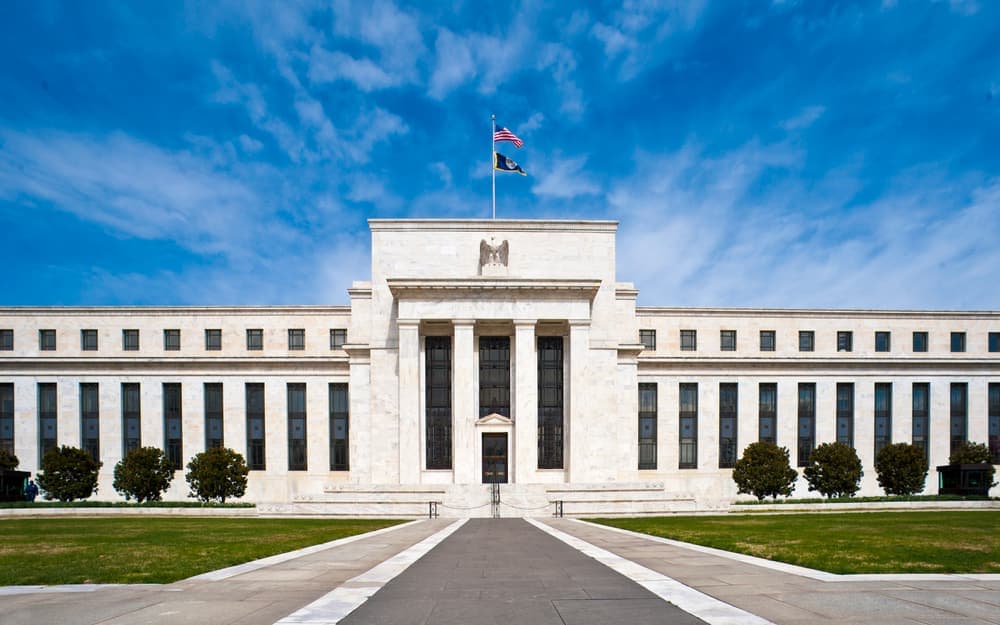
Fed Model: Back in Style on Wall Street?
The Federal Reserve's stock valuation model, once a staple on Wall Street, is drawing fresh attention after a long period in which it appeared irrelevant. The model, which compares the earnings yield on stocks to the yield on government bonds, fell out of favor during the era of ultra-low interest rates. But with yields shifting, the question is whether it has regained its predictive power.
The logic is straightforward: when the earnings yield on the S&P 500 is above the 10-year Treasury yield, stocks look attractive relative to bonds; when it falls below, equities appear expensive. For years, quantitative easing and suppressed bond yields made the comparison less meaningful, leading many to dismiss the model as outdated.
Now, as the Federal Reserve adjusts policy and inflation expectations evolve, the relationship between bond yields and equity earnings has tightened. Some analysts argue that the model is once again offering useful signals about market valuations. The recent alignment of yields has brought the framework back into the conversation, though not without caution.
Skeptics point out that the model overlooks risk premiums and structural changes in the economy, and that no single measure should drive investment decisions. Still, the renewed focus suggests that even imperfect tools gain relevance when market conditions become more conventional. Whether the model truly works again remains an open question for investors.
Source: Investing.com