
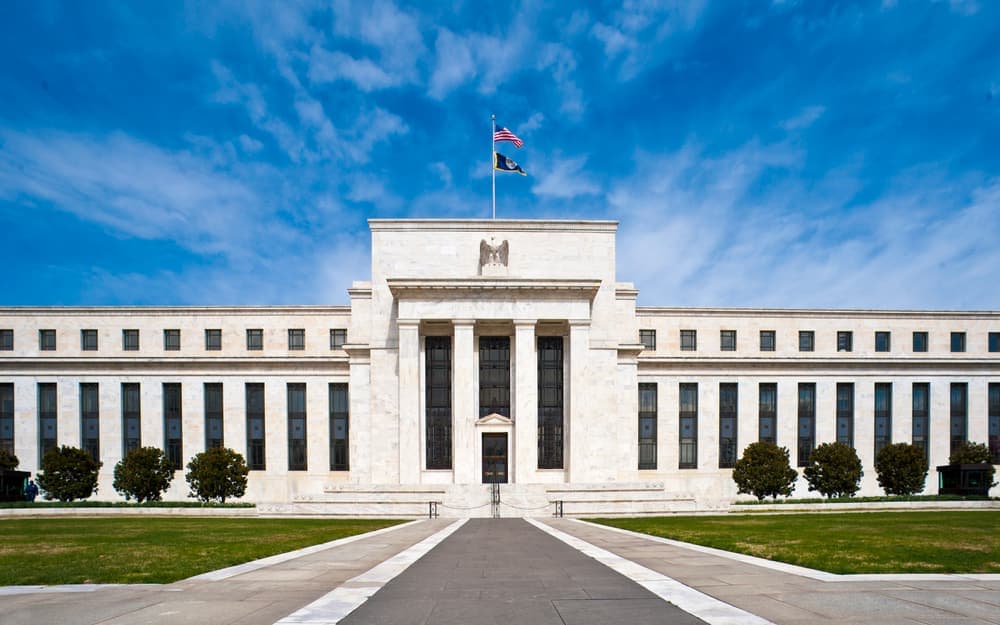
US Inflation Settles In as a Fact of Life, Fed Warns
What the Report Says
US inflation has remained elevated for years, and that persistence is raising concern at the Federal Reserve that American consumers may come to expect stubbornly high prices, according to a CNBC report published on October 14, 2026.
The report frames the issue as a shift in how households experience prices. Rather than a single bad stretch that fades from memory, elevated inflation has lasted long enough that it has become, in the report's phrasing, a fact of life in the United States.
That is a subtle but important distinction. A one-year spike in prices is a shock. A multi-year pattern is a habit, and habits shape behavior. The Fed's worry, as the report describes it, is not only about the current level of prices but about what people believe prices will do next.
Why Expectations Matter So Much
To understand why the Fed cares about what households expect, it helps to separate two ideas that sound similar but work differently.
Inflation is the rate at which prices are rising. Expectations are what people assume that rate will be in the future. The two feed each other. If a worker believes prices will keep climbing, that worker may push harder for a larger raise. If a business expects its costs to keep rising, it may raise its own prices sooner and more often. If a landlord expects rents to keep climbing, the lease renewal reflects that view.
None of those decisions is irrational. Each is a reasonable response to the world as the person sees it. But when enough of them happen at once, the expectation can help create the outcome. Economists sometimes call this a wage-price spiral, though the mechanism does not require a formal spiral to matter. Even a modest, widespread assumption that prices will keep rising can make inflation harder to bring down.
This is why central banks watch surveys of consumer expectations closely. The Fed has long treated well-anchored expectations, meaning a stable belief that inflation will return to a normal range, as one of its most valuable assets. Expectations are cheaper to maintain than to repair.
What It Means for American Households
The practical effect for readers is that the cost of planning goes up.
A household budgeting for next year normally assumes some drift in prices. When inflation has been elevated for years, that assumption gets harder to make. Families may find that a grocery budget set in January does not last through the year, that a raise negotiated in the spring feels smaller by the fall, or that savings set aside for a car or a home repair no longer cover the same purchase.
- Fixed-income households, including many retirees, feel the squeeze most directly because their income does not adjust with prices.
- Workers whose pay is set by long-term contracts or annual reviews may see raises that look generous on paper but do not keep pace.
- Savers face a different problem: cash held in accounts that pay little interest loses purchasing power over time when prices are rising.
- Borrowers with fixed-rate debt, by contrast, see the real value of what they owe erode, though that benefit only helps those who already hold such loans.
The report does not offer household-level numbers, and this article does not add any. The point is directional: when inflation stays high for years, the planning horizon for ordinary budgets shortens.
The Fed's Difficult Position
The Fed's concern, as reported, is that expectations may drift upward. If that happens, the tools available to the central bank become less effective.
Monetary policy works partly by changing what people expect. When the Fed raises interest rates, it is trying to cool demand and signal that it will not tolerate persistent inflation. That signal is strongest when households and businesses believe it. If expectations become unmoored, the same rate increase may do less work, and the Fed may need to do more to achieve the same result.
That is the uncomfortable trade-off the report points to. Acting aggressively to break an expectations problem can slow hiring and investment. Acting too gently risks letting the problem settle in further. The Fed does not have a tool that lowers prices directly; it works through borrowing costs, demand and credibility.
It is also worth noting what the report does not say. It does not announce a policy decision, a rate change or a new forecast. It describes a concern. Readers should treat it as a signal about how the central bank is thinking, not as a statement of what it will do.
How This Shows Up in Markets
For markets, the story matters because expectations are an input into how investors price the future.
If the Fed believes expectations are at risk, that belief can influence how long it keeps policy tight and how it talks about future moves. Bond yields, which reflect what investors think about inflation and interest rates over time, are sensitive to that. So are the valuations investors are willing to pay for future corporate earnings, since higher rates reduce what a dollar of future profit is worth today.
The report does not cite specific market levels or moves, and none are asserted here. The connection is conceptual: a central bank worried about expectations tends to communicate more firmly, and firmer communication can move asset prices.
For individual investors, the relevant takeaway is not a trade. It is that the inflation conversation in the United States has shifted from a temporary disruption to a longer-running condition, and that shift changes the backdrop against which every other financial decision is made.
The Bottom Line
According to the CNBC report, US inflation has stayed elevated for years, and the Federal Reserve is concerned that consumers may come to expect stubbornly high prices as normal. That concern is about psychology as much as economics, because expectations can influence the very inflation the Fed is trying to control.
For American households, the implication is that budgeting, saving and planning may need to assume more price variability than in a low-inflation era. For the Fed, the implication is that credibility, the belief that it will eventually restore stable prices, is doing real work. The report does not predict what happens next, and neither does this article. It documents a concern that has become central to how the central bank views the American economy.
Source: CNBC Top News
This article is for information only and is not investment advice, a recommendation, or an offer to buy or sell any security. Figures are sourced from third-party market data providers and may be delayed. Do your own research before investing.