
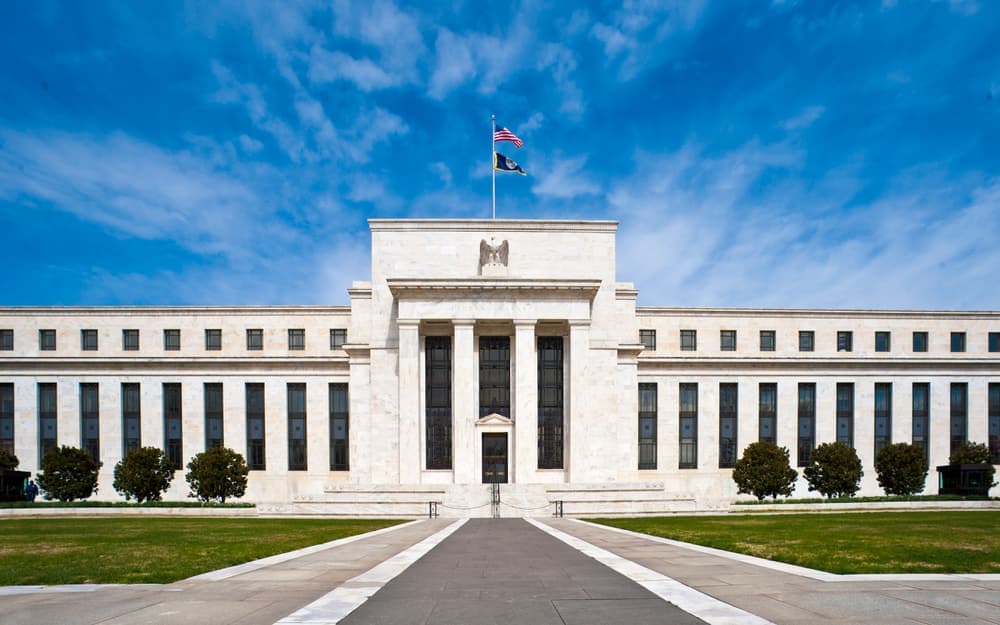
US consumer prices rise 0.4% in October, down from September
What the October report showed
US consumer prices rose 0.4% in October, according to CNBC's reporting on the inflation breakdown for the month. That is a smaller increase than the one recorded in September, which means the pace of price growth slowed between the two months.
Even so, the report said economists described the October reading as still uncomfortably high. That phrase matters more than the direction of the change. A slower rate of increase is not the same as prices coming down. It means prices are still rising, just less quickly than they did the month before.
The report was published on November 10, 2026, and CNBC presented the breakdown in chart form. The 0.4% figure is the monthly change in the consumer price index, the most widely cited gauge of what American households pay for a basket of goods and services.
How the CPI is built, and why a monthly number carries weight
The consumer price index is assembled by tracking the prices of a fixed basket of goods and services that households typically buy. That basket is weighted so that categories taking a larger share of household spending count for more in the final number. Shelter, food, energy and services such as medical care and transportation all feed into it.
Because the index compares one month's prices with the previous month's, a 0.4% reading describes change over a short window. Economists also look at the index compared with a year earlier, and at a version that strips out food and energy, which swing widely from month to month. The source material here reports the monthly headline figure and the direction of change from September; it does not provide the annual rate or the core reading.
What the monthly figure does show is momentum. A single month at 0.4% is a snapshot, but a run of months at that pace compounds. That is why economists watch the monthly number closely even when the annual rate is the figure most often quoted in public discussion.
Why the reading matters for household budgets
The CPI is not an abstraction. It is the reference point for how the purchasing power of a paycheck changes. If prices rise 0.4% in a month and wages do not keep pace, households can buy less with the same income. The effect is uneven: a family that spends a large share of its budget on food and shelter feels a price increase differently from one with more room to absorb it.
The index also feeds into decisions well beyond the grocery aisle. Many government programs are adjusted using inflation measures, and Social Security benefits are indexed to a consumer price measure. Private contracts, including some wage agreements and commercial leases, contain inflation clauses tied to the CPI or a related index. A higher reading can therefore flow into payments and agreements that were set months or years earlier.
For readers with savings, the relevant comparison is between the inflation rate and the interest their money earns. If prices rise faster than a deposit account pays, the real value of that balance falls even when the stated balance does not. The October report does not tell a household what its own personal inflation rate is, because spending patterns differ, but it sets the general benchmark against which those comparisons are made.
The Federal Reserve's side of the equation
The Federal Reserve watches inflation data as one of its main inputs. Its stated longer-run goal is price stability, commonly described as 2% inflation, and it adjusts interest rates to try to steer inflation toward that level while also considering employment conditions.
A monthly reading that economists call uncomfortably high is the kind of data point that shapes how officials describe the inflation outlook. The source material does not say what the Fed made of the October figure, and it does not report any policy decision or signal. What can be said is structural: the CPI release is one of the regular inputs into that debate, and a reading that remains elevated keeps the question of price pressure on the table.
Interest rates matter to American households in concrete ways. They influence the cost of borrowing on credit cards, auto loans and mortgages, and they influence what savers can earn. A change in the policy rate does not move all of these at once or by the same amount, but the direction of policy shapes the environment in which those decisions are made.
What the report does not settle
One month of data is a data point, not a trend. The October figure shows slower price growth than September, and it also shows that prices continued to rise. Both statements come from the same report, and readers will see both emphasized depending on who is doing the talking.
The source material does not break the 0.4% down by category, so it is not possible to say from this report alone which goods or services drove the increase. It also does not provide the twelve-month rate, the core measure, wage data, or any forecast. Those details would be needed to judge whether the slowdown from September is the start of a sustained easing or a single month's variation.
What the report does establish is the headline fact: consumer prices rose 0.4% in October, less than in September, at a level economists quoted by CNBC described as still uncomfortably high. For American households, that means the cost of the basket the index tracks continued to climb, and the pace of that climb remains the central question for budgets, borrowing costs and the policy debate in Washington.
The next monthly release will be the test of whether October was an outlier or part of a pattern. Until then, the October number stands as the most recent official reading of how fast prices are moving for US consumers.
Source: CNBC Top News
This article is for information only and is not investment advice, a recommendation, or an offer to buy or sell any security. Figures are sourced from third-party market data providers and may be delayed. Do your own research before investing.