
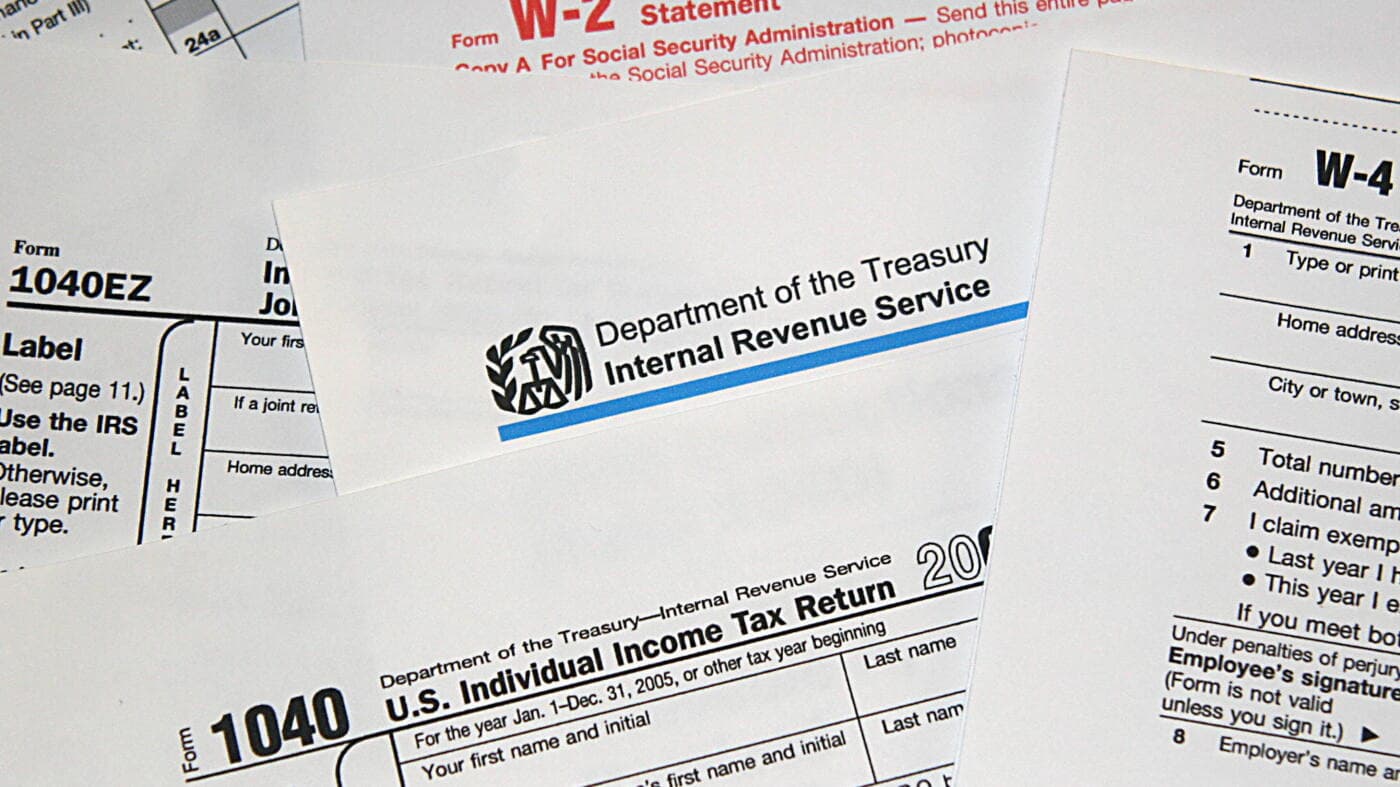
IRS Enforcement Collections Decline After Staff Cuts
A new Inspector General report reveals that the Internal Revenue Service's tax collections from enforcement efforts dropped significantly after the agency slashed its auditing staff last year. The report, released this week, suggests the move may have backfired, as the reduction in personnel appears to have weakened the IRS's ability to pursue unpaid taxes.
According to the report, the IRS cut its auditing staff in the previous year, and since then, the amount of money collected through enforcement actions has fallen. The Inspector General, which oversees the IRS, did not provide specific dollar figures in the summary, but the finding points to a direct correlation between staffing levels and collection outcomes.
This development comes at a time when the IRS has been under scrutiny for its enforcement capabilities. The report's conclusion is clear: fewer auditors mean fewer audits, and fewer audits mean less revenue recovered from taxpayers who owe money.
What the Report Says
The Inspector General's report, as summarized by NPR, highlights that the IRS's enforcement collections have declined following the staff reductions. The report does not specify the exact number of staff cut or the precise drop in collections, but it frames the situation as a potential backfire for the agency's cost-saving measures.
For context, the IRS's enforcement efforts include auditing tax returns, pursuing delinquent accounts, and investigating tax fraud. These activities generate revenue by collecting taxes that would otherwise go unpaid. When the IRS reduces its auditing workforce, it processes fewer audits, which can lead to a decrease in the amount of additional tax assessed and collected.
The report is a formal evaluation by the Treasury Inspector General for Tax Administration (TIGTA), an independent office that monitors IRS operations. Its findings are based on internal IRS data and are intended to inform Congress and the public about the agency's performance.
Why This Matters for American Taxpayers
For the average American taxpayer, the IRS's ability to enforce tax laws has a direct impact on the fairness of the system. When the IRS collects less from those who underreport income or claim improper deductions, the tax burden may effectively shift to those who pay what they owe. This can affect public trust in the tax system and influence debates about tax policy.
Moreover, uncollected taxes mean less revenue for the federal government, which can affect funding for public services and contribute to the national deficit. The report's findings come amid ongoing discussions in Washington about IRS funding and staffing, with some policymakers advocating for increased resources to improve enforcement, while others push for cuts to reduce government size.
The report does not speculate on the broader economic impact, but it underscores a practical consequence of staffing decisions: a less robust enforcement presence may lead to a 'tax gap' - the difference between taxes owed and taxes paid. This gap is a persistent challenge for the IRS, and staffing levels are a key factor in addressing it.
The Mechanism: How Staffing Affects Collections
To understand the report's significance, it helps to know how IRS enforcement works. The IRS relies on auditors and revenue officers to examine tax returns, identify discrepancies, and initiate collection actions. Auditors are responsible for reviewing returns for accuracy, while revenue officers handle cases where taxpayers have not paid after being assessed.
When the IRS reduces its auditing staff, it can process fewer audits in a given year. This means fewer returns are examined, and as a result, less additional tax is identified and collected. The report suggests that this is precisely what happened: the staff cuts led to a drop in enforcement activities, which in turn reduced collections.
The Inspector General's report is not the first to flag concerns about IRS staffing. Over the years, the agency has faced budget constraints that have limited its ability to hire and retain skilled auditors. The recent cuts, however, appear to have had a more immediate and measurable effect on collections, according to the report.
It's important to note that the report does not claim that all uncollected taxes are due to the staff cuts. Other factors, such as changes in tax law or economic conditions, can also influence collection rates. But the report's authors believe the staffing reduction is a significant contributor to the decline.
Looking Ahead: Implications for IRS Policy
The report's findings are likely to fuel debates about the appropriate size and role of the IRS. Proponents of a well-funded IRS argue that robust enforcement is necessary to ensure tax compliance and to fund government programs. They may point to this report as evidence that cutting staff is counterproductive, as it reduces revenue that could offset the costs of maintaining a larger workforce.
On the other hand, critics of the IRS may view the report as a reason to reconsider how the agency operates, perhaps by focusing on technology or other efficiencies rather than simply adding staff. The report itself does not offer recommendations, but it provides data that policymakers can use in their decisions.
For now, the report serves as a cautionary tale about the unintended consequences of budget cuts. It shows that while reducing staff may save money in the short term, it can lead to larger losses in tax revenue over time. This is a key consideration for Congress as it debates the IRS's budget for the coming fiscal year.
As the situation develops, taxpayers and policymakers alike will be watching to see how the IRS responds. Will it reverse the staff cuts, or will it find other ways to maintain enforcement levels? The Inspector General's report does not answer these questions, but it provides a clear signal that the current approach may not be working as intended.
In the meantime, American taxpayers can take away an important lesson: the IRS's ability to enforce tax laws is not just about catching cheaters - it's about maintaining the integrity of the entire tax system. When enforcement weakens, everyone who pays their fair share may be affected.
The report was released on September 2, 2026, and has already drawn attention from media outlets like NPR, which summarized its key findings. As more details emerge, the full scope of the impact on tax collections will become clearer. For now, the report stands as a reminder that government agencies operate in a complex environment where staffing decisions have real-world consequences.
Source: NPR Business
This article is for information only and is not investment advice, a recommendation, or an offer to buy or sell any security. Figures are sourced from third-party market data providers and may be delayed. Do your own research before investing.