
Rising US Credit Card APRs Squeeze Household Budgets
The era of cheap credit has decisively ended. For the average American household carrying a balance, the cost of that debt has surged to levels never before recorded. With the national average credit
The era of cheap credit has decisively ended. For the average American household carrying a balance, the cost of that debt has surged to levels never before recorded. With the national average credit card APR hitting a historic 24.71%, the financial pressure on consumers is no longer a subtle drag - it is a structural shift redefining how families manage their monthly finances. This isn't just about a higher line-item on a statement; it's about the compounding reality of what it costs to carry debt in 2026.
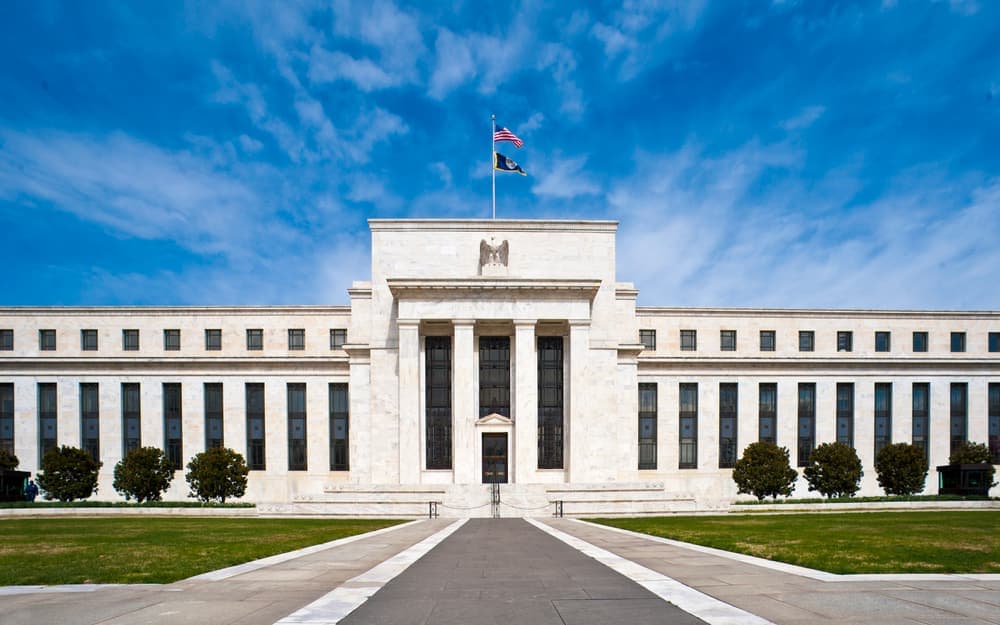
Photo: Tony Webster from Minneapolis, Minnesota, United States.jpg)
The Squeeze Begins: Record-High APRs and the New Cost of Carrying a Balance
The New Normal: 24.71% and Climbing
The Federal Reserve's G.19 consumer credit data, published on July 15, 2026, confirms the national average credit card APR has reached a record 24.71%. That marks a 35-basis-point jump from March 2026, signaling that lenders are aggressively repricing risk in a high-cost environment. The pain, however, is not evenly distributed. Subprime borrowers - those with FICO scores below 620 - now face an average APR of 28.9%. Some retail store cards, such as the Synchrony Amazon Store Card, push past 34.99% for non-Prime members.
This isn't a statistical anomaly; it's a structural shift. The Federal Reserve has held the federal funds rate at 5.50 - 5.75% since the June FOMC meeting. With inflation sticky at 3.4%, no rate cuts are priced in until at least Q1 2027. That anchors card APRs at their current elevated levels. For households, the cost of carrying existing debt has increased by nearly double the rate of inflation, turning what was once a manageable convenience into a significant financial liability.
The 0% introductory offer is also fading. Major issuers like Capital One have eliminated these promotions for applicants with credit scores below 700, effective July 5, 2026, closing off a common debt-management tool for millions. Top-tier cards are not immune to the repricing either. The Chase Sapphire Preferred saw its APR raised to 26.99% - 33.99% on July 15, while Citi Double Cash jumped 200 basis points to 25.74% - 34.74% on July 1. This is a market-wide repricing, not a niche issue.
The Hidden Costs: Fees and Interest-on-Fees Amplify the Burden
The rising APR isn't the only line-item draining household budgets. A federal judge's decision in May 2026 to strike down the CFPB's $8 late fee cap has opened the floodgates. As of July 2026, major issuers including Chase, Citi, and Capital One have reinstated standard late fees of $35 - $41. That adds an estimated $150 per year in extra costs for the 28 million households who pay late, according to CFPB monitoring released on July 20, 2026.
Table: The Cost of Carrying Debt in July 2026
More insidiously, a new layer of cost has emerged: interest on fees. Effective June 1, 2026, three of the top ten issuers - Discover, Synchrony, and US Bank - began charging interest on balance transfer fees and cash advance fees immediately upon posting. This eliminates the standard 1 - 2 day grace period, effectively adding an estimated 0.8% to the APR on those transactions. For a household moving a $10,000 balance to consolidate debt, this means paying interest on the transfer fee from day one, compounding the very debt they were trying to manage. These changes represent a one-two punch: higher interest on purchases and, now, higher interest on the penalties themselves.
The Budgetary Fallout: From Interest Payments to Delinquency
The tangible impact on household budgets is severe and quantifiable. The Federal Reserve Bank of New York's Household Debt and Credit Report (July 18, 2026) shows the average credit-card-holding household now pays $1,903 per year in interest alone - up from $1,451 in 2024. That's a 31% increase in two years, effectively a new car payment or a month's rent for many families.
The Minimum Payment Trap
This has created a "minimum payment trap" with long-term consequences. With APRs above 24%, making only the minimum payment (typically 2% of the balance) on the average $6,800 balance means it now takes 29 years to pay off the debt. Over that period, a household will pay $9,400 in interest for a $6,800 purchase - more than the original item costs. This forces consumers to allocate a larger portion of their monthly income to interest rather than principal, reducing discretionary spending and savings capacity.
Delinquency and the Spending Slowdown
The strain is showing in credit performance. 90+ day delinquency rates have surged to 8.9% in Q2 2026, the highest since 2011. Crucially, the NY Fed notes this is "driven almost entirely by APR increases on existing balances," not new spending. This suggests consumers are pulling back on new purchases but failing to keep up with the higher cost of their existing debt.
This article is for information only and is not investment advice, a recommendation, or an offer to buy or sell any security. Figures are sourced from third-party market data providers and may be delayed. Do your own research before investing.