
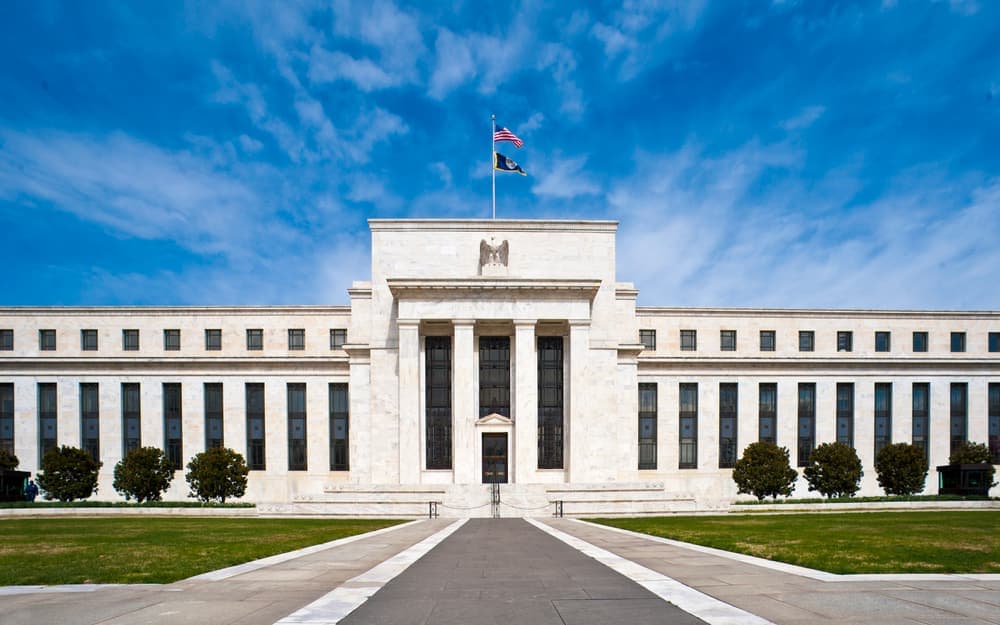
Fed's Kevin Warsh to Deliver Key Jackson Hole Speech Friday
The Speech and Its Setting
Federal Reserve Chairman Kevin Warsh is scheduled to deliver his keynote speech at the annual Jackson Hole economic symposium on Friday, according to a report from CNBC. The event, hosted by the Federal Reserve Bank of Kansas City in Wyoming, has historically served as a platform for Fed leaders to communicate broad policy frameworks and intentions to markets and the public.
Warsh's address comes at a time when investors and economists are closely watching the central bank's next moves. The report notes that prior Fed chairs have used the Jackson Hole speech to lay out significant policy direction. For example, in past years, chairs have signaled major shifts in monetary policy strategy or provided guidance on the path of interest rates. The speech is widely anticipated because it offers a rare opportunity for the Fed chairman to speak at length, beyond the brief statements that typically follow Federal Open Market Committee meetings.
The symposium itself gathers central bankers, economists, and financial leaders from around the world, but the focus for American readers is squarely on what Warsh might say about the U.S. economy and the Federal Reserve's policy stance. The report does not disclose any specific content of Warsh's planned remarks, so expectations are based on the historical significance of the venue and the current economic context.
Why Jackson Hole Matters
Jackson Hole has become a marquee event in the central banking calendar because it allows the Fed chair to speak in a less formal setting, often providing more nuance than post-meeting press conferences. The report emphasizes that prior chairs have used the occasion to articulate broad frameworks, not just immediate policy decisions. For instance, chairs have used the speech to discuss the Fed's approach to inflation targeting, its reaction function to economic data, or its views on long-term structural issues like productivity or labor market dynamics.
For American households and businesses, the speech can be significant because it may offer clues about the future trajectory of interest rates, which influence borrowing costs for mortgages, auto loans, credit cards, and business investment. A clearer sense of the Fed's policy direction can help individuals and companies plan their finances, though the report does not speculate on what Warsh will say.
The report also notes that the speech is often used to set expectations for the coming months. If Warsh follows the pattern of his predecessors, he might use the platform to reaffirm the Fed's commitment to its dual mandate of maximum employment and price stability, or to signal how the central bank is interpreting recent economic data. However, the report does not provide any specific hints about the content of his remarks.
The Current Economic Backdrop
While the report does not detail the current state of the economy, it is useful context that the Federal Reserve has been navigating a period of elevated inflation and a resilient labor market. In recent years, the Fed has raised interest rates to combat inflation, and more recently, it has held rates steady as inflation has moderated. The timing of Warsh's speech is notable because it comes ahead of the Federal Open Market Committee's next meeting, where policymakers will decide on the path of interest rates.
For American readers, the key question is whether Warsh will provide any new signals about the Fed's thinking. The report does not offer any predictions, but it underscores that the speech is a significant event because of the platform's history. Investors and economists will be parsing every word for hints about the Fed's reaction function, but the report does not indicate that Warsh is expected to make any specific announcements.
It is also worth noting that Jackson Hole speeches have sometimes been used to introduce major policy initiatives. For example, in 2020, then-Chair Jerome Powell used the speech to announce a major shift in the Fed's inflation policy, moving to an average inflation targeting framework. That change had profound implications for how the Fed would conduct monetary policy in the future. Whether Warsh will make a similar landmark announcement is unknown, but the venue's history suggests that such a move is possible.
What to Watch For
As Friday approaches, market participants will be watching for any leaked details or previews of Warsh's speech, but the report does not provide any. The focus will be on the language he uses to describe the economic outlook, the balance of risks, and the Fed's policy stance. Key phrases could signal whether the Fed is leaning toward cutting rates, holding steady, or even raising them, depending on the data.
The report also notes that prior chairs have used the speech to communicate their policy frameworks, which means Warsh might take the opportunity to explain how he views the Fed's role in the current environment. This could include discussions on the neutral rate of interest, the labor market's resilience, or the persistence of inflation. For American readers, understanding the Fed's framework is crucial because it shapes expectations for future policy actions.
However, it is important to emphasize that the report does not contain any specific information about what Warsh will say. The article is purely a preview, based on the historical significance of the Jackson Hole venue. As such, readers should not expect any concrete policy announcements based on this report alone.
Implications for the American Economy
The Federal Reserve's policy decisions have direct effects on the U.S. economy. Interest rate changes influence the cost of borrowing, which in turn affects consumer spending, business investment, and housing activity. A speech that signals a more hawkish stance could lead to higher long-term interest rates, while a dovish tone could ease financial conditions. The report does not predict which direction Warsh might take, but it highlights the importance of the speech for setting market expectations.
For American savers, higher interest rates can mean better returns on savings accounts and certificates of deposit, while borrowers face higher costs. Conversely, lower rates can stimulate economic activity but may reduce savings yields. The Jackson Hole speech is one of the few opportunities for the Fed chair to communicate such nuances directly to the public, which is why it garners so much attention.
The report also reminds readers that the speech is part of a broader tradition. By using the venue to lay out policy frameworks, Fed chairs have historically provided a roadmap for their thinking, which helps reduce uncertainty in financial markets. Uncertainty can be costly for businesses and households, so any clarity Warsh provides could be beneficial, regardless of the specific policy direction.
In summary, Friday's speech is a significant event for the U.S. financial landscape. While the report does not reveal any details about Warsh's planned remarks, it underscores the importance of the Jackson Hole platform. American readers should pay attention to the speech for potential insights into the Fed's future policy moves, but they should also be prepared for the possibility that Warsh may not offer any new information. As always, the Federal Reserve's actions will be guided by incoming economic data, and the speech is just one piece of the communication puzzle.
Source: CNBC
This article is for information only and is not investment advice, a recommendation, or an offer to buy or sell any security. Figures are sourced from third-party market data providers and may be delayed. Do your own research before investing.